Ask the midwife
Antenatal expressing: a flying start for you and your baby
Antenatal (or prenatal) expressing is manually expressing and collecting colostrum during the last weeks of pregnancy. Colostrum is the very first breast milk: liquid gold packed with antibodies, proteins and important nutrients that optimally support your newborn baby’s immune system and gut flora.
By collecting and freezing this precious colostrum before the birth, you build a safe reserve supply. That way you have your own milk at hand right away if your baby needs some extra support after the birth, without having to reach for formula straight away.
But it is certainly not just about the yield in millilitres. In our experience, antenatal expressing has an enormously positive effect on the self-confidence of new mums. Because you get to know your breasts and the let-down reflex before the birth, you start your breastfeeding adventure together with more calm, knowledge and confidence.
Who is it worthwhile for?
Antenatal expressing is not necessary for everyone, but can offer enormous added value in various situations:
- Medical indications for mum:
- (Gestational) diabetes: after birth these babies have an increased risk of low blood sugar (hypoglycaemia). Colostrum helps stabilise this blood sugar quickly and naturally.
- A planned caesarean or induction: milk production can sometimes start a little more slowly.
- Thyroid conditions, PCOS or earlier breast surgery/breast reduction.
- An earlier difficult start to breastfeeding with a previous child.
- Expected situations for the baby:
- A suspected low birth weight (dysmaturity) or, on the contrary, a high birth weight (macrosomia).
- An expected separation after the birth (for example admission to neonatology).
- Congenital conditions such as a cleft (lip, jaw or palate).
- Preparation and confidence: even without a medical indication, antenatal expressing can be a nice thing to do: you get to know your breasts well, discover how the let-down reflex works and start the breastfeeding adventure with more calm and confidence.
From when can you start?
- Starting point: you can safely start from 36 to 37 weeks of pregnancy.
- Why not earlier? Breast stimulation produces the hormone oxytocin. This hormone contracts the milk ducts, but in theory can also stimulate uterine contractions (a hardening belly or contractions).
- When is it NOT allowed (contraindications)? Antenatal expressing is discouraged with an increased risk of premature birth, a multiple pregnancy, vaginal blood loss, a low-lying placenta (placenta praevia) or a weakened cervix (cervical insufficiency). So always consult your midwife or gynaecologist first.
How does it work? Hand-expressing step by step
You always start antenatal expressing by hand. An electric breast pump can make the tiny drops of colostrum disappear into the pump parts.
- Preparation & relaxation: wash your hands thoroughly. Create a warm, calm environment without distractions. A warm shower, a warm cherry-stone pillow on the breasts or calm breathing helps trigger the let-down reflex.
- Breast massage: gently massage the breast in circular movements from the outside towards the areola to stimulate the milk flow.
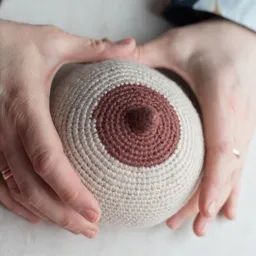
- The C-hold: place your thumb and fingers in a C-shape around the breast, about 2 to 3 centimetres behind the base of the areola.
- Press and roll (without rubbing):
- Gently press your fingers and thumb straight back (towards your chest).
- Then roll your fingers and thumb towards each other in the direction of the nipple, without dragging over the skin or squeezing.
- Release the pressure and calmly repeat this rhythm: press, roll, release.
- Move your fingers around the breast (as if following the hands of a clock) to reach all the milk glands.
- Frequency: express for about 5 to 10 minutes per breast, about 1 to 2 times a day. See what feels doable without it becoming a chore. That’s not what it’s about.
By hand or with a pump?
We always recommend expressing manually (with your hands) the first few times. Using your hands helps you really master this valuable technique and creates an optimal, gentle connection with your own body. That skin-to-skin stimulation also boosts the natural production of oxytocin, the hormone that helps get the let-down reflex going. On top of that, when you express by hand, those very first, precious drops of colostrum are not lost in large pump parts.
Have you got the hang of the technique and is it going a bit more smoothly? Then over time you are welcome to alternate with a pump. Our preference goes to a simple manual pump, because it lets you control the pressure in a very targeted and measured way. Already have an electric/automatic pump at home? Then of course you can use it on a gentle setting too. So there is definitely no need to buy an extra pump for this.
How do you collect and store it?
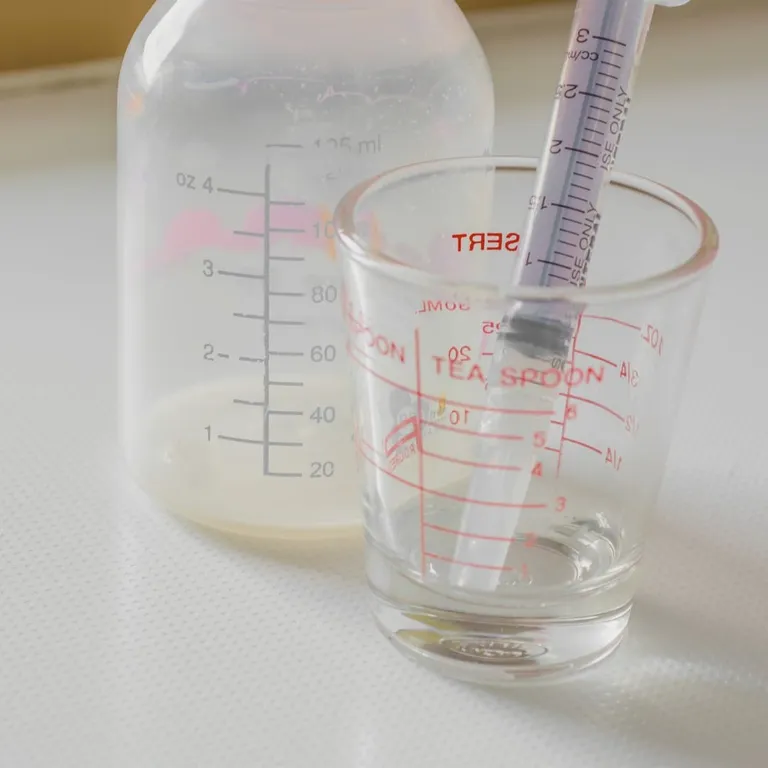
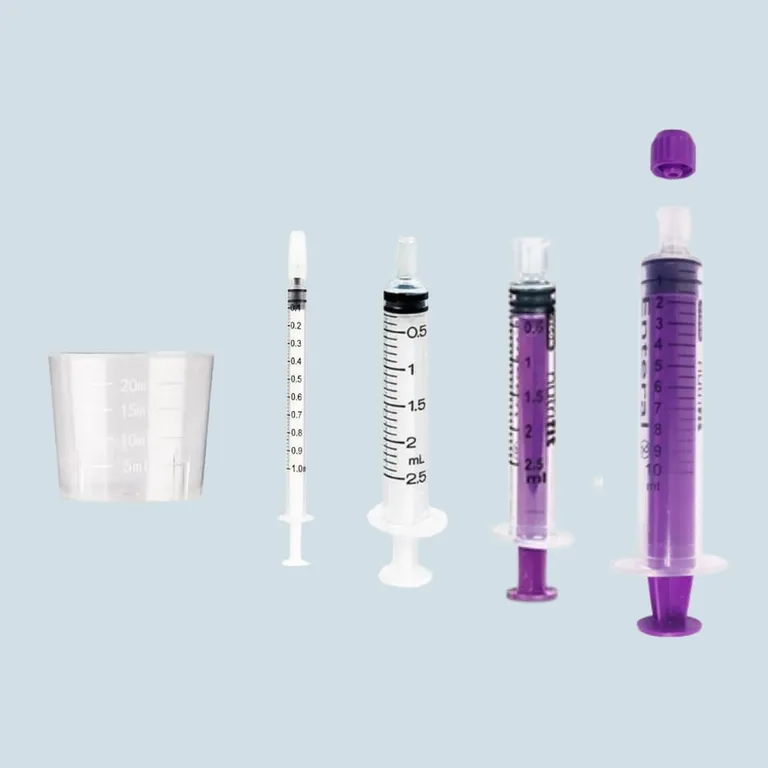
- Collecting: colostrum comes drop by drop. Catch the drops directly with a sterile syringe (usually a 1 ml to 3 ml syringe) or collect them in a clean medicine cup (or a clean little jar you have lying around) and then draw them up with the syringe.
- Collecting on the same day: expressing twice in one day? Then you can keep the sealed syringe in the fridge and combine that day’s yield once it is at the same temperature.
- Freezing: close the syringe with a sterile cap. Label it with your name and the date of expressing and put it in the freezer straight away (at minimum -18 °C).
- Yield: don’t expect large amounts; a few drops to a few millilitres per session is already a wonderful result.
Taking it to the hospital
When the birth announces itself, take the frozen syringes with you in a cool bag with cooling elements. On arrival at the delivery ward, ask straight away for your colostrum to be kept in the ward’s freezer until your baby is born.
Personal support
Do you find it daunting to start this yourself, or would you like to practise the technique together? During our prenatal consultations, your midwife demonstrates step by step how to go about it.
Good to know & handy tips
- No drops? Completely normal! No drops appearing the first few times? Don’t worry. Give yourself time to get to know your breasts and get used to the technique. Every woman and every body is different: the yield varies from a few precious drops to 20 to 30 ml. Every drop counts!
- Chill, relax & unwind: relaxation is the key to releasing oxytocin. A warm shower or cherry-stone pillow on your breasts, a gentle breast massage and carefully stimulating your nipples help trigger the let-down reflex.
- Never start on your own: antenatal expressing is always done in consultation with your care provider. Around 34 weeks of pregnancy, make an appointment with your midwife to look together at whether this is worthwhile for you and to go over the right technique and materials.
How is it going?
Have you been expressing antenatally for a week or so? Feel free to give your midwife a short update. We love to hear how it’s going, answer any questions and look together at the further approach up to the birth.